Cuisine
Wagyu in Tokyo
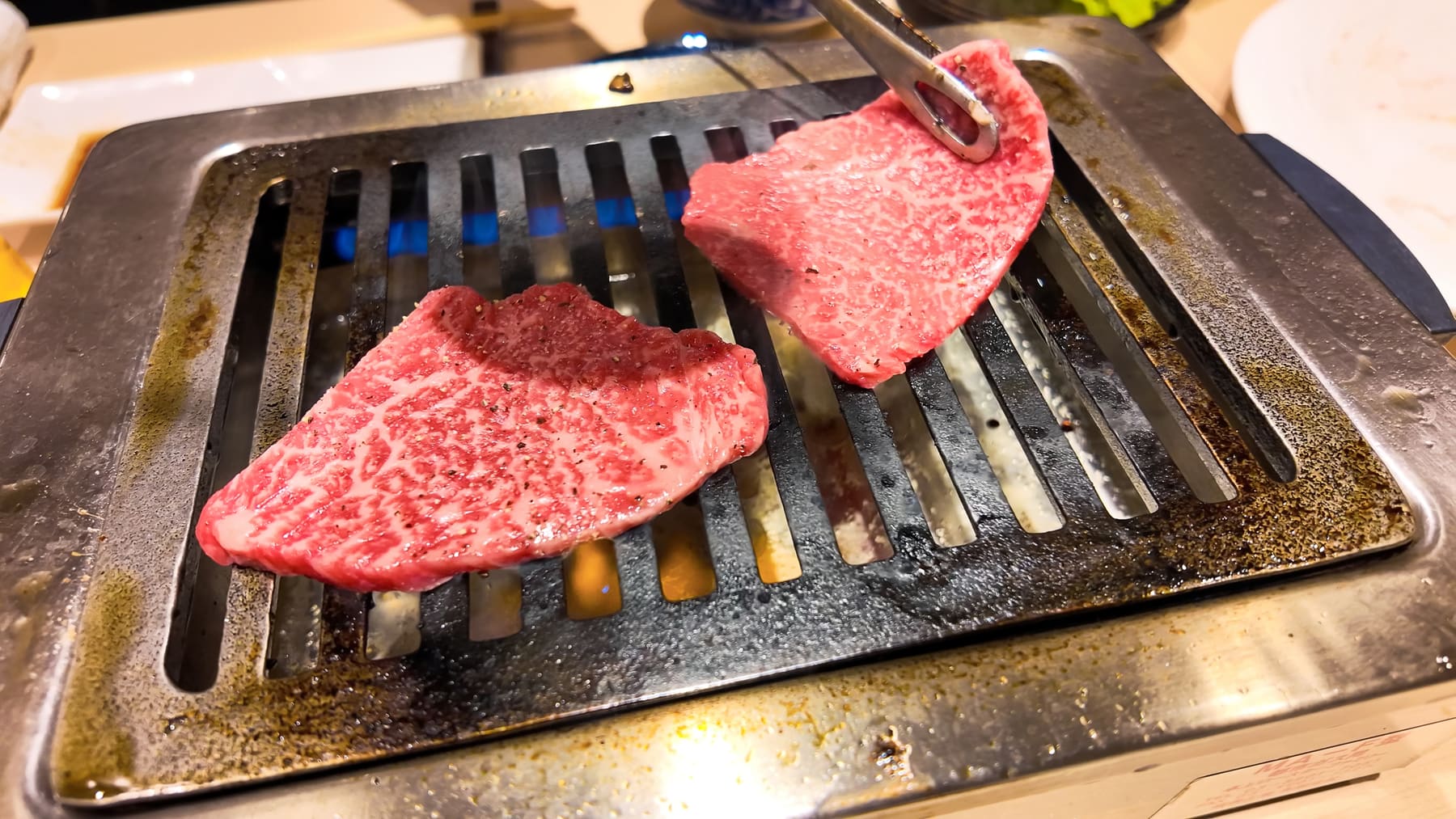
Wagyu means Japanese cattle, and in Tokyo it is served in more ways than most visitors expect: grilled at your own table, cooked on an iron plate by a chef, simmered in a pot, or as a steak. The best-known wagyu is heavily marbled, rich and often served in small portions. Knowing the names on the menu, and which way of eating suits you, makes it easier to choose.
What wagyu means
Wagyu is a name for four Japanese breeds of beef cattle, and most of the wagyu you will eat comes from one of them, the Japanese Black. The name describes the breed, not a single standard of quality, so wagyu menus range from everyday cuts to the most expensive beef in the country.
Regional brands sit on top of this. Kobe, Matsusaka and Omi are among the best-known brands, and many prefectures have their own brands. Each brand sets its own rules for where the animal was raised and how it is graded. Every cow raised in Japan has an identification number, and restaurants serving yakiniku, shabu-shabu, sukiyaki or steak are required to display it, according to the Ministry of Agriculture, Forestry and Fisheries.
Grades and brands
Menus often show a grade such as A5 or A4. The letter, from A to C, is the yield grade: how much meat the carcass gives. The number, from 1 to 5, is the quality grade, judged on four points: marbling, colour, firmness and texture, and the colour and quality of the fat. The lowest of the four sets the grade. A5 is the highest of both: the top grade for yield and on all four quality points.
A higher grade is not automatically a better meal. A5 beef is very rich, and a few slices go a long way; many people find a slightly leaner cut, or a smaller portion of A5 alongside other dishes, more enjoyable than a large steak. Restaurants usually tell you the brand and grade on the menu, and you can ask for a leaner cut if you prefer one.
Ways to eat wagyu
Yakiniku is grilled meat that you cook yourself, a few pieces at a time, on a grill set into the table. It is one of the most common ways to eat wagyu in Tokyo, from inexpensive neighbourhood shops to expensive restaurants that serve a set course of rare cuts. Teppanyaki is the opposite: a chef cooks the beef and vegetables on a large iron plate in front of you, usually as a set course.
Sukiyaki and shabu-shabu cook thin slices at the table, in a sweet soy broth or in light stock, and suit groups and families; our shabu-shabu and sukiyaki page covers them. Steak restaurants serve wagyu by weight or as part of a course, and some sushi counters and omakase restaurants now serve wagyu as part of the meal. The beef bowls (gyudon) sold at fast-food chains are a different thing: they are cheap and filling, but are not usually made with wagyu, so do not judge wagyu by them.
How to order yakiniku
A yakiniku menu is organised by cut. Tan, beef tongue, is usually eaten first, seasoned with salt and served with lemon. Karubi is short rib, rich and fatty; rosu is loin, a little leaner; and harami is skirt, which is tender and full of flavour. Many shops also serve offal, called horumon, for those who want it.
Order a few plates to start, and add more as you go. Cook each piece briefly, because well-marbled beef needs only seconds on each side, and use the tongs for raw meat and your chopsticks for eating. Cook the leaner and salted cuts before the fattier ones that come with a sweet sauce, which burns onto the grill. Ask the staff to change the grill plate if it becomes blackened.
Booking, price and lunch
Teppanyaki counters and high-end yakiniku restaurants take reservations, and the well-known ones need booking ahead, especially for dinner. Neighbourhood yakiniku shops usually take walk-ins. Many wagyu restaurants have private rooms or tables for groups, which you should request when you book.
Wagyu is expensive, and prices vary widely between a neighbourhood yakiniku shop and a teppanyaki course. Lunch sets are the usual way to try a serious restaurant for less, and many yakiniku and steak restaurants serve a set with rice, soup and salad at midday. All-you-can-eat yakiniku plans also exist, usually with a time limit and a set list of cuts.
Halal and dietary needs
A number of restaurants in Tokyo serve halal wagyu, and some hold halal certification. If halal matters to you, check which body has certified the restaurant and whether the certificate covers all of the menu, including sauces and drinks. Many marinades and sauces contain mirin or sake, both of which contain alcohol.
Wagyu restaurants have little for vegetarians beyond rice, salad and grilled vegetables, and the vegetables are usually cooked on the same grill as the meat. If you have an allergy, a written card in Japanese is more reliable than asking at a busy table.
Sources
- Agriculture and Livestock Industries Corporation (ALIC): about wagyu (Japanese)
- Ministry of Agriculture, Forestry and Fisheries: what does A5 mean? beef grading, aff August 2016 (Japanese)
- Ministry of Agriculture, Forestry and Fisheries: cattle and beef traceability (Japanese)
Figures checked against the sources above on 12 November 2026.
We are still choosing the restaurants for this page. Until they are here, our guides cover how to book and what to expect.