Cuisine
Shabu-shabu & Sukiyaki in Tokyo
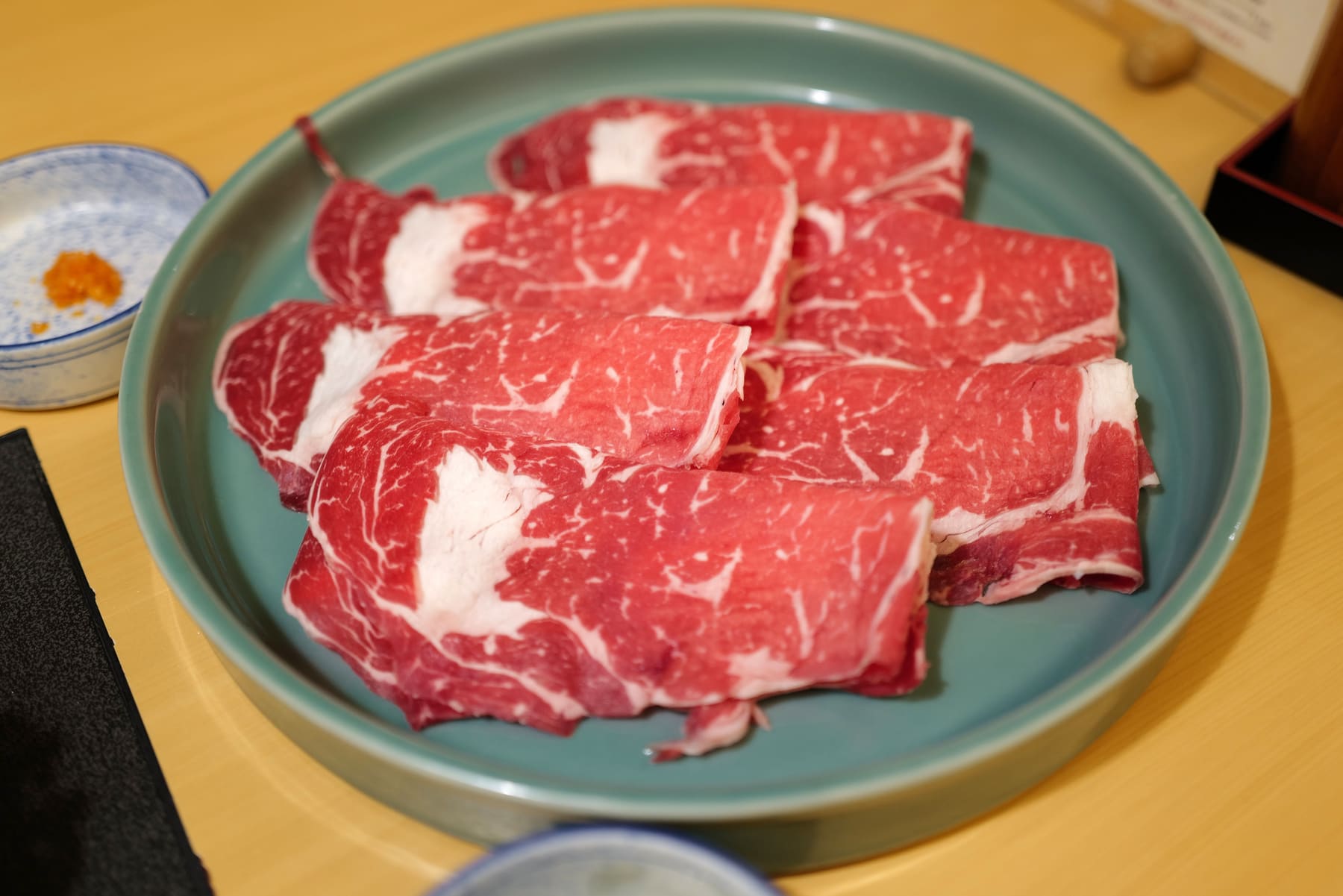
Shabu-shabu and sukiyaki are two ways of cooking thinly sliced beef at your own table. In shabu-shabu you swish each slice through a pot of simmering broth and dip it in a sauce. In sukiyaki the beef is cooked in a shallow iron pan with a sweet soy sauce and vegetables, then dipped in beaten raw egg. Both are easy to enjoy on a first visit, because the staff usually show you what to do.
Shabu-shabu
The name is said to come from the sound of the meat moving through the broth. A pot of light stock, often made with kombu seaweed, sits on a burner in the middle of the table, and you cook each slice yourself: hold it with your chopsticks, swish it through the broth a few times until it changes colour, and eat it straight away. Thin beef cooks in seconds, so there is no need to leave it in the pot.
There are usually two dipping sauces. Ponzu is a sharp citrus and soy sauce, often served with grated daikon and spring onion. Goma-dare is a thick, creamy sesame sauce. Many people use ponzu for the beef and sesame for the vegetables, but there is no rule. Vegetables, tofu and mushrooms go into the pot as you eat, and they take longer than the meat.
As the meal goes on, the broth gets richer from everything cooked in it. At the end, staff often skim it and add noodles or rice to make a final dish from the broth, called shime, so leave some room for it. Pork shabu-shabu is also common and usually cheaper than beef.
Sukiyaki
Sukiyaki is sweeter and richer. The beef is cooked in a shallow iron pan with warishita, a sauce of soy sauce, sugar, mirin and sake, along with spring onion, tofu, shirataki noodles, mushrooms and leafy greens. Each piece is dipped in a small bowl of beaten raw egg before you eat it, which cools it down and softens the sweetness. If you would rather not eat raw egg, say so when you order.
There are two broad styles. The Tokyo style is often described as simmering the ingredients in the prepared sauce, while the Kansai style starts by searing the beef with sugar and soy sauce directly in the pan. At many restaurants, a member of staff cooks the first round at the table, or all of it, so you do not have to worry about getting it right. Udon noodles are a common way to finish.
How to eat them
If staff come to cook for you, let them, and watch how they do it before you take over. If you are cooking yourself, add a few slices at a time rather than filling the pot or pan, and take the meat out as soon as it is done. Overcooked thin beef turns tough quickly.
Use the long chopsticks or serving utensils provided for raw meat, and your own chopsticks for eating. Skim off any foam in the shabu-shabu pot with the ladle, and ask for more broth or sauce if it runs low. Rice is usually available and goes well with sukiyaki in particular. Pickles and a simple soup sometimes come with it.
Restaurants and prices
Shabu-shabu and sukiyaki are served at many price levels. At the top are long-established restaurants with private rooms and high-grade wagyu, where a server, often in kimono, cooks for you. At the other end are chain restaurants with all-you-can-eat plans, where you pay a set price for a time limit and order meat and vegetables as many times as you like, often from a touch screen. Many higher-end restaurants have lunch sets, which are a less expensive way to try them.
The price depends mainly on the beef. Menus often list several grades or brands, and the most expensive course is not always the best choice: very marbled beef is rich, and a leaner cut can be easier to enjoy over a whole meal. Our guide to wagyu in Tokyo explains what the grades and brand names mean.
Booking and groups
Both dishes are made for sharing, and many restaurants expect at least two people, although some serve a single portion at the counter. They are a good choice for families and groups, and many restaurants have private rooms, which is useful with children. For the well-known restaurants, book ahead, especially for dinner and in December, when many groups hold year-end parties.
Allergies and dietary needs
Both are built around beef or pork, so they do not suit vegetarians. The sukiyaki sauce contains soy sauce, sugar, mirin and sake, and the shabu-shabu sauces contain soy, citrus and sesame; tell the restaurant about a sesame or soy allergy when you book. The mirin and sake in sukiyaki contain alcohol, and much of it cooks off, but not always all of it. A halal or vegetarian version needs a restaurant that offers one specifically.
We are still choosing the restaurants for this page. Until they are here, our guides cover how to book and what to expect.